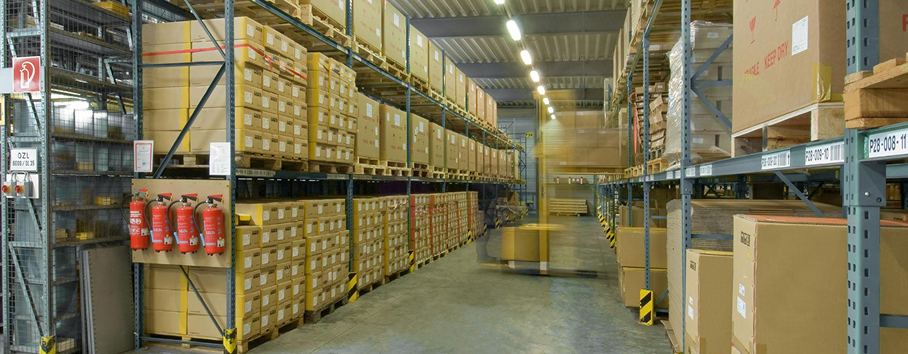
Developers and businesses today are going beyond the traditional way of building office warehouses in Australia. And there are a number of reasons why they don’t want to go that path again. When you depend on old “big-box” buildings, you often have to deal with the following:
- Inefficient space use.
- Limitations on automation.
- Rise in operational costs rises.
- Poor long-term asset value.
RBi Architects has 30+ years of experience working as professional industrial building architects in Australia. Our team knows how these problems impact long-term investments. This blog talks about why high-performance warehouses are taking the place of old-fashioned ones.
In Australia, businesses are preferring high-performance warehouses over traditional big-box designs, considering the need for automation, sustainability, and operational efficiency. Height, flexibility, logistics planning, and energy efficiency are all important to modern industrial buildings. This approach promotes long-term returns, supports office warehouses, and raises the value of assets for developers, investors, and tenants.
Why Are Architects Moving Away from Traditional Big Box Warehouses?
Traditional warehouses paid attention to the footprint size. Developers emphasise operational efficiency. This is especially important for factory warehouse design projects in Melbourne that involve designing factory warehouses, where land values are increasing.
Limitations of traditional warehouses:
- Low internal clearance.
- Low natural light.
- Poor truck circulation.
- Limited adaptability.
- Poor energy efficiency.
These buildings often need expensive upgrades later on. This is why it is important to plan ahead before building a warehouse so that you don’t have to pay for redesigning costs.
Move Beyond Big Box Warehouse Limitations Today
What Defines a High-Performance Warehouse in 2026?
High-performance warehouses aren’t only size-focused; they majorly focus on efficiency. This approach supports modern office warehouses that combine logistics, office, and operational spaces.
Key features include:
- Higher internal clearances.
- Automation-ready designs.
- Flexible tenancy planning.
- Eco-friendly architecture.
- Integrated office parts.
This model also supports future-proofing industrial developments by allowing buildings to adapt to evolving tenant needs.
How Does Vertical Space Improve Warehouse Efficiency?
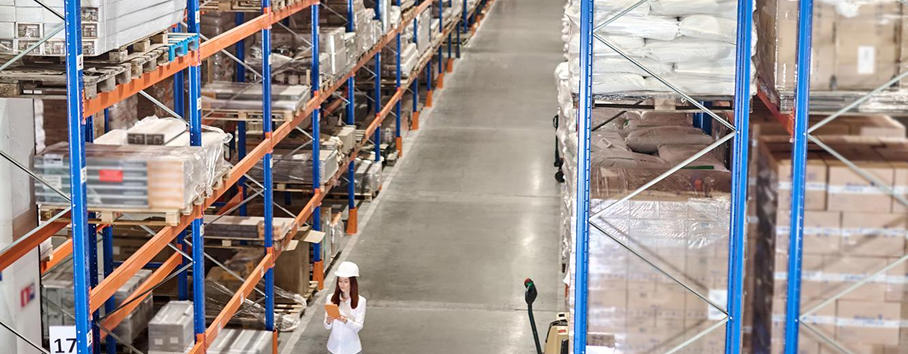
Modern factory warehouse design in Melbourne emphasises vertical over footprint expansion. Internal clearances now normally range from 12-18m.
Technical benefits:
- Increased pallet capacity.
- Lower land costs per storage unit.
- Automation compatibility.
- Enhanced operating efficiency.
Engineering considerations:
- Optimisation of structural steel.
- ESFR sprinkler compliance.
- Planning slab load capacity.
- Wind load compliance under Australian standards
These things have a direct effect on the value of long-term assets and the ability to lease.
Why Is Logistics Flow Planning Now Critical?
Poor truck circulation makes operations less efficient. High-performance office warehouses include logistics planning from the very beginning of the design process.
Modern layouts include:
- Separate truck/staff vehicle access.
- Cross-docking setup.
- Wide turning radius for big vehicles.
- Effective loading dock placement.
Ignoring these elements often leads to operational bottlenecks. Working with professionals will help in avoiding the common mistakes businesses make during upgrades.
How Are Sustainability and ESG Influencing Warehouse Design?
Sustainability is now a major requirement in warehouse fitouts in Dandenong and other industrial developments across Melbourne.
Key sustainable features:
- Solar rooftop systems.
- Energy-efficient lighting.
- Natural daylight integration.
- Rainwater harvesting.
- Infrastructure for EV charging.
These improvements assist in lowering costs and make assets more appealing to investors.
Why Are Flexible Modern Warehouses in Demand?
Today’s tenants want flexibility. Modern warehouses have both operational and administrative functions in the same facility.
Design strategies include:
- Modular office pods.
- Mezzanine-ready structures.
- Multi-tenant subdivision options.
- Flexible loading dock configurations.
These features make the property more appealing to tenants and reduce vacancy risk. They also help developers come up with long-term leasing plans.
How Do High-Performance Warehouses Improve Investment Returns?
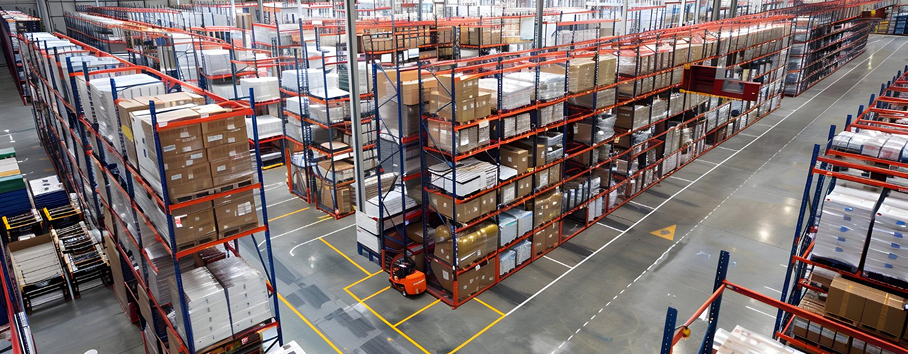
Developers increasingly prioritise performance-driven factory warehouse design Melbourne solutions because they deliver the following:
- Higher rental yields.
- Reduced vacancy.
- Lower operating costs.
- Stronger asset valuation.
- Improved tenant retention.
This is why many businesses hire a commercial architect early on in the feasibility stage to get the best design results.
Design A Warehouse Built For Automation And Efficiency
What Role Do Warehouse Fitouts Play in Performance?
Modern Warehouse fitouts projects in Dandenong are no longer cosmetic upgrades. They focus on operational improvements such as the following:
- Office integration.
- Workflow optimisation.
- Improved circulation.
- Energy-efficient upgrades.
These upgrades are often part of bigger commercial building upgrades that improve their long-term performance.
Conclusion
The design of high-performance warehouses is reshaping industrial development across Australia. Developers are moving away from traditional big box models and towards office warehouses that are smarter, more flexible, and more efficient.
RBi Architects has three decades of experience as industrial building architects, and we’ve been delivering future-ready industrial facilities. We help businesses get the most out of their factory warehouse design projects for long-term performance. Get in touch with us to discuss your next warehouse project.
FAQs
What is a high-performance warehouse?
A high-performance warehouse is an industrial facility that is built to be efficient, automated, and environmentally friendly. It puts logistics planning, vertical storage, and flexible layouts at the top of its list of priorities. These buildings help with modern operational needs and warehouses while also increasing investment returns and the value of long-term assets.
Why are traditional big-box warehouses becoming outdated?
Traditional big-box warehouses don’t have enough flexibility, automation readiness, or sustainability features that modern ones do. They often lead to higher costs of doing business and less room for growth. Modern warehouse design solutions focus on being efficient and adaptable, which makes them better for today’s industrial needs.
How do warehouse fitouts improve performance?
Strategic warehouse fitouts enhance work flow, bring office spaces together, and use less energy. These upgrades make operations better and make the property more appealing to tenants. They also extend building lifespan and lower the costs of future renovations.
Are high-performance warehouses more expensive to build?
The initial costs may be a little higher, but high-performance warehouses deliver better returns over time. They are beneficial for developers and investors since such warehouses run on higher efficiency, cost less to run, and have more potential to rent out.