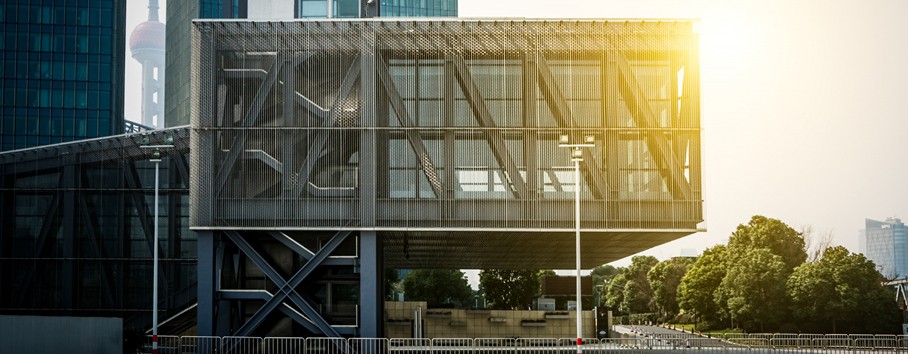
Melbourne’s industrial real estate market is evolving quickly. Industrial assets need to adapt as fast as businesses are rethinking, automating, and scaling their supply chains. As experienced industrial building architects, we know what can go wrong when you design without long-term flexibility:
- Tenants outgrow the building too quickly.
- Expensive retrofits get in the way of business.
- Compliance upgrades lower the return on investment.
- Vacancy risk increases in competitive markets.
At RBi Architects, we are a trusted industrial architecture firm in Melbourne with 30+ years of experience in building warehouses, limited retail spaces, and large industrial estates along growth corridors. In this blog, we will talk about the most important technical and planning factors to consider when building future-ready industrial spaces to meet the changing needs of tenants.
How to Future-Proof Industrial Developments for Meeting Evolving Tenant Demands?
1. Start with Strategic Site and Master Planning
Choosing a location and layout is the first stage of future planning. In Melbourne’s outer growth areas, proximity to major roads, freight routes, and labour pools is essential for long-term demand.
Flexible subdivisions, heavy vehicle circulation, adequate stormwater capacity, and space for phased expansion are all crucial from a planning perspective. Strict master planning may hinder flexibility and reduce the appeal of future leasing.
Experienced industrial development architects understand that site efficiency directly impacts long-term asset performance.
Build Industrial Facilities That Adapt To Changing Tenant Need
2. Design Structural Flexibility From Day One
The structural grid and internal height are important for adaptability. Clear spans of 30 to 40 metres, few internal columns, and clear heights of 10 to 13 metres support:
- Systems for high-bay racking.
- Robotics and automation.
- Changing warehouse layouts.
- Multi-tenant configurations.
Adding retrofits to a building is costly and disruptive. Planning for flexibility from the start protects long-term value.
It is also important to carefully design floor slabs. Higher load ratings, appropriate joint detailing, and flatness tolerances suitable for automated systems reduce future upgrade costs.
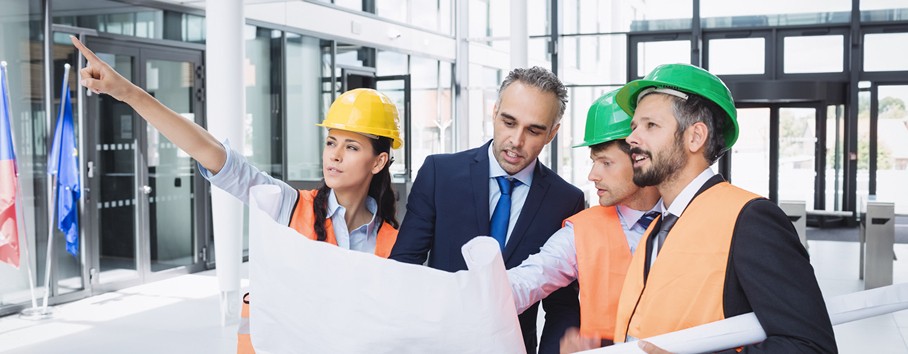
3. Plan for Evolving Services and Infrastructure
Modern industrial tenants use more energy than ever before. The electrical capacity should be enough to manage solar integration, charging electric vehicles, and future battery storage.
Data connectivity is just as crucial. Logistics technology and warehouse management systems are supported by high-speed fibre, easily accessible service routes, and IT infrastructure.
Fire engineering must also anticipate potential changes in goods storage classification. Designing to accommodate higher hazard thresholds where feasible avoids expensive compliance problems later.
4. Embed Sustainability and ESG Performance
Sustainability is no longer optional in industrial developments. Investors and tenants are prioritising lower operating costs and carbon reduction strategies.
Future-proof measures include:
- Solar-ready roof structures.
- High-performance building envelopes.
- Efficient LED lighting and HVAC in office components.
- Water-sensitive urban design.
- Durable, low-maintenance materials.
Industrial assets that fail to meet ESG expectations risk reduced tenant demand and lower valuations.
5. Create Adaptable Office and Amenity Spaces
Industrial buildings are no longer just storage facilities. Staff experience matters. Flexible mezzanine offices, quality amenities, natural daylight and professional facade treatments improve tenant attraction and retention.
Designing modular office components allows expansion or reconfiguration as businesses grow. This level of foresight is where experienced industrial building architects add measurable value to industrial projects.
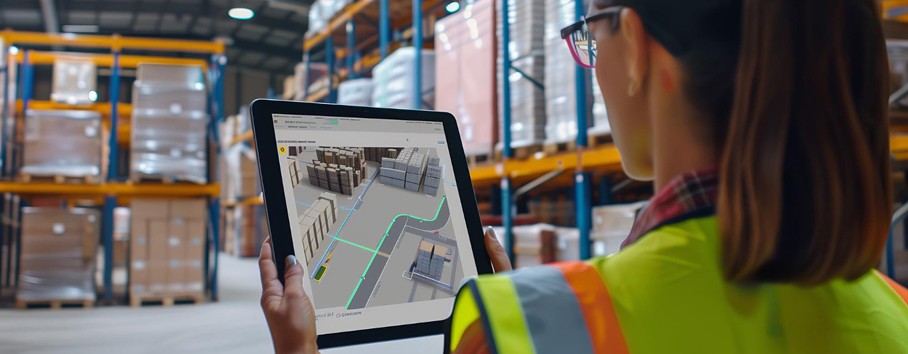
6. Optimise Loading and Logistics Efficiency
Truck access, hardstand depth, and dock configuration directly influence functionality. Cross-docking capability, separation of heavy vehicles from staff parking, and allowance for future dock expansion enhance long-term flexibility.
Poor circulation design can limit tenant suitability and reduce asset competitiveness.
Build Industrial Facilities That Adapt To Changing Tenant Needs
7. Consider Lifecycle and Long-term Asset Resilience
Industrial buildings are long-term investments. Durable cladding systems, corrosion-resistant finishes, flood mitigation strategies, and climate resilience planning protect operational continuity.
Developers working with a specialist industrial architecture firm based in Melbourne gain insight into how design decisions today affect asset performance for decades.
Conclusion
Future-proofing industrial developments means designing for flexibility, sustainability, and evolving tenant demands from the outset. Clear spans, service capacity, ESG integration, and smart master planning all contribute to resilient, high-performing assets.
RBi Architects, being leading industrial development projects in melbourne, understands the factors influencing Melbourne’s industrial market. We help developers create adaptable, investment-ready industrial facilities that stand the test of time. Get in touch to discuss how we can support your next project.