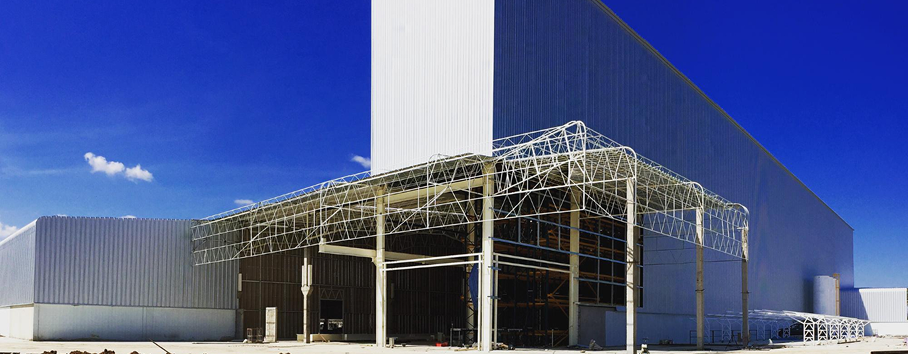
Planning a warehouse buildup is not an easy exercise. Times are changing, and so is the industrial landscape. It is important to get the planning right from the start to meet evolving needs. This will determine if a warehouse is useful in the long term or if it becomes a costly problem.
Overlooking project planning often results in
- Restricted workflows and ineffective layouts.
- Limited capacity to expand or adapt.
- Higher operating and retrofit costs.
RBi Architects has been working on complex industrial and commercial projects in Melbourne for more than 30 years, and we know how early decisions shape long-term outcomes. Keep reading as we discuss how structured, informed planning ensures a future-ready facility.
Key Planning Considerations for a Future-ready Warehouse
1. Operational Clarity
A future-ready warehouse starts by understanding how it will be used. Before design begins, proper planning defines
- Operation type (logistics, manufacturing, storage, mixed-use).
- Daily vehicle and goods movement.
- Staffing levels and safety separation.
- Growth projections over the next 10–20 years
This approach is very similar to planning for commercial development, where design choices must be based on what the business needs. When warehouses are only designed for immediate use, they often struggle to support future technologies, automation, or increased capacity.
Planning a future-ready warehouse?
2. Site Controls
The success of a project can be greatly impacted by site selection and planning controls in Melbourne’s industrial and growth areas.
Appropriate planning includes
- Zoning and industrial overlays.
- Height, setback, and site coverage limits.
- Flood, bushfire, and environmental constraints.
- Heavy vehicle access and turning requirements.
Early coordination between architects and planning consultants prevents compromised layouts and delays in approval for areas. This is especially crucial when creating flexible facilities that could evolve into office warehouses or mixed-use industrial assets.
3. Layout Efficiency
Operational expenses are directly impacted by internal planning. A well-designed warehouse considers
- Clear internal heights for future racking systems.
- Column spacing that allows layout flexibility.
- Logical loading dock placement.
- Safe separation of vehicles and pedestrians.
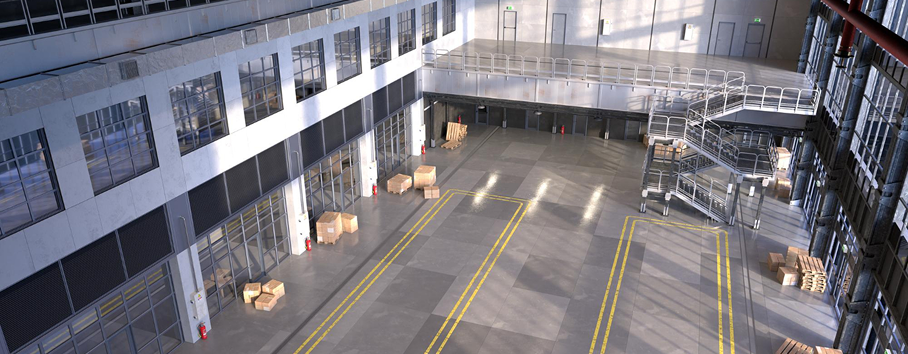
This is an essential principle when designing a factory warehouse in Melbourne, where efficiency and flexibility must coexist. Without requiring structural adjustments, facilities with flexible layouts can support automation, mezzanines, or reconfigured workflows.
4. Future Expansion
Future expansion is one of the most neglected aspects of building a warehouse. Planning ahead guarantees
- Structural systems allow horizontal or vertical growth.
- Services such as power, fire systems, and drainage are sized for future demand.
- Site layouts protect expansion zones.
For developers and owner-occupiers making long-term industrial asset investments, this strategy is especially pertinent. As tenant needs change over time, forward-thinking planning also facilitates seamless warehouse fitouts in Dandenong and other outer growth corridors.
5. Services & Sustainability
These days, warehouses are technologically advanced spaces. Planning for the future includes
- Adequate power capacity for automation and EV charging.
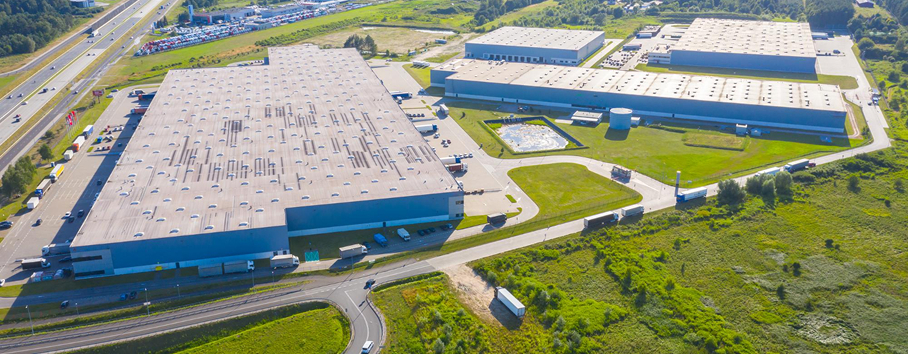
- Roof design suitable for solar installations.
- Scalable data and communications infrastructure.
Another key driver is sustainability. Early choices about orientation, materials, and passive design improve long-term asset value and lower energy consumption. These guidelines are now accepted standards within commercial development planning in Melbourne.
Clear planning sets the foundation for a high-performing warehouse facility.
6. Compliance & Risk
Early planning identifies regulatory and construction risks before they become expensive issues. This includes:
- Fire and safety compliance.
- Accessibility and workplace regulations.
- Construction staging and cost certainty.
Over the course of their lifecycle, well-planned warehouses have stronger returns, fewer variations, and smoother construction.
In a Nutshell
A simple industrial building can be transformed into a versatile, high-performing asset when you plan carefully before constructing the warehouse. By aligning design with operations, compliance, and long-term growth, a warehouse remains relevant as business needs evolve.
RBi Architects is a trusted name across Melbourne’s commercial and industrial sectors. We deliver planning-led solutions that safeguard value and future-proof investments. Get in touch with our team if you’re planning a new warehouse or industrial development and want to know how we can assist you.