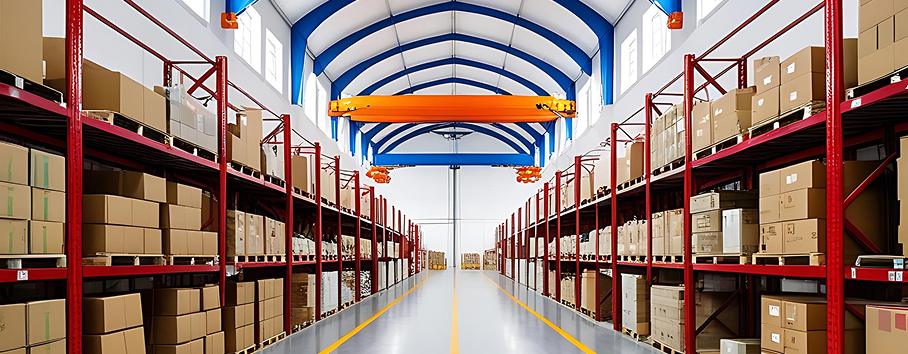
Melbourne businesses are reconsidering warehouse efficiency due to rising operating costs, increasing industrial land prices and growing logistics demands. Traditional warehouses face the following issues:
- Increased energy and labour costs.
- Slower warehouse operations.
- Wasted storage and circulation space.
RBi Architects have over 30 years of experienced architects in Melbourne. We know how smart warehouse planning improves long-term business performance. In this blog we will explain how warehouse design can help businesses reduce costs and future-proof their operations.
Melbourne businesses can cut labour costs, boost storage capacity, lower energy use and prepare for automation with smart warehouse design. Experienced architects in Melbourne build warehouse facilities that incorporate an efficient layout, higher clearances, sustainable systems and smarter traffic planning to enhance operational performance and long-term return on investment.
Why Is Warehouse Layout So Important?
The warehouse layout directly impacts the operational efficiency. Poor circulation design increases forklift traffic, slows down dispatching, and creates safety risks. A smart warehouse layout enhances the flow between receiving, storage, picking and despatch areas. This reduces the need for unnecessary handling and improves productivity. Key considerations in planning are:
- Proper loading dock placement.
- Separate pedestrian and forklift traffic.
- Faster access to fast-moving inventory.
- Reduced travel distances between operational zones.
Large office warehouses benefit from streamlined circulation and integrated workplace functionality.
Build a Warehouse That Improves Daily Operations
How Do Higher Clearance Warehouses Save Money?
The streamlined circulation and integrated functionality of the workplace are of major benefit to large office warehouses. Modern warehouses are increasingly built with higher internal clearances to maximise storage capacity within the same footprint.
Many older industrial sites typically operate with clearances of 5m to 7m, whereas newer developments can exceed 10m. Businesses get more clearances:
- Increase pallet storage density.
- Minimise external storage needs.
- Enhance automation system compatibility.
- Support long-term operational growth.
This is why businesses investing in factory warehouse design in Melbourne are focusing on scalability and long-term operational savings over upfront construction costs.
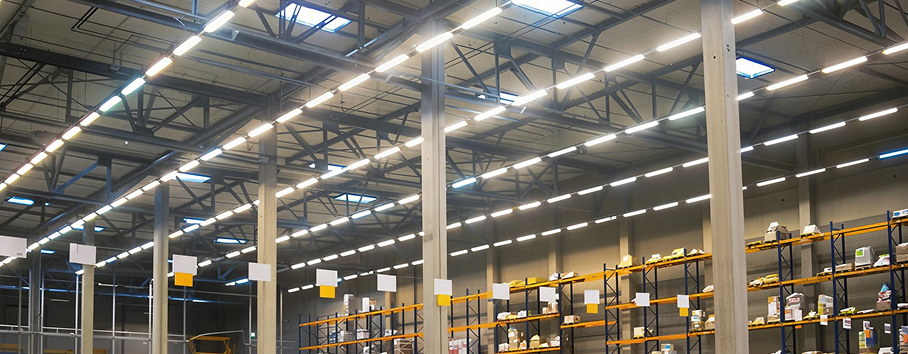
Why Is Energy Efficiency Critical in Warehouse Design?
Large quantities of energy are used by warehouses for lighting, charging and cooling systems for equipment. Melbourne is increasingly focusing on building energy-efficient warehouses as the cost of electricity increases.
Today’s smart warehouses generally have:
- Motion sensor LED lights.
- Solar-ready roof system.
- Wall and roof system insulation.
- Passive ventilation methods.
- Natural daylight integration.
These solutions reduce ongoing operating costs and help meet sustainability goals and ESG expectations. Many of the principles of sustainable industrial design are also influencing modern retail architecture, where energy efficiency and long-term operational performance are becoming more and more significant.
What Technical Features Make Warehouses Future Ready?
Warehouses today need to be flexible to accommodate the changing needs of operations and future automation retrofits. The main technical issues are engineering the floor slabs, structural capacity and the planning of vehicle circulation. Warehouses engineered for automation usually have tighter floor tolerances and stronger infrastructure. Future-proof facilities often include:
- Layouts ready for automation.
- Heavy vehicle access planning.
- Flexible expansion options.
- Fire safety systems high level.
- Loading and unloading zone.
More and more warehouse fitouts in Dandenong are prioritising space that can be adapted to suit future operational needs.
Why Does Traffic Planning Matter in Warehouse Design?
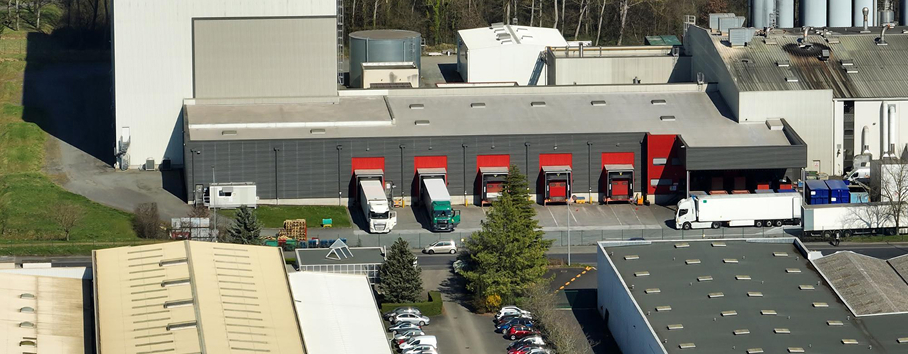
Poor vehicle movement leads to operational delays, congestion and safety problems. With smart traffic planning, despatch efficiency goes up and downtime reduces.
Effective warehouse site planning includes:
- Separate access for staff and truck vehicles
- Making space safe for heavy vehicles.
- Efficient dock access and circulation.
- Reduced reverse conflicts.
Well-planned traffic planning increases the productivity and safety of the industrial facility.
Future-Proof Your Industrial Facility With Smarter Planning
Conclusion
Smart warehouse design is helping businesses across Melbourne to improve operational efficiency and create more scalable industrial facilities. As architects in Melbourne with three decades of experience, RBi Architects‘ team can assist businesses in planning smarter warehouse and industrial developments that are built for future growth. Contact us to discuss your next project.
FAQs
How much can smart warehouse design reduce operating costs?
Smart warehouse design lowers operational costs by enhancing workflow efficiency, minimising unnecessary labour movement and reducing energy consumption. Better circulation and storage planning can also help businesses reduce maintenance problems and improve despatch performance, leading to operational savings over the long term.
Why are higher warehouse clearances becoming more common?
Higher warehouse clearances enable businesses to increase vertical storage capacity without increasing the building footprint. This increases storage efficiency, accommodates automation systems and reduces the need for additional warehouse space as operating demands increase.
What should businesses prioritise when planning a warehouse?
Businesses should consider the flow of operations, vehicle access, storage needs, energy efficiency, and ability to expand in the future. Working with experienced architects and consultants in the early planning stages helps to build warehouses that stay efficient and adaptable for years to come.
Why is sustainable warehouse design important?
Sustainable warehouse design lowers energy costs, enhances environmental performance, and supports long-term operational effectiveness. Features like LED lighting, insulation, solar integration, and passive ventilation also help businesses meet growing ESG and sustainability expectations.