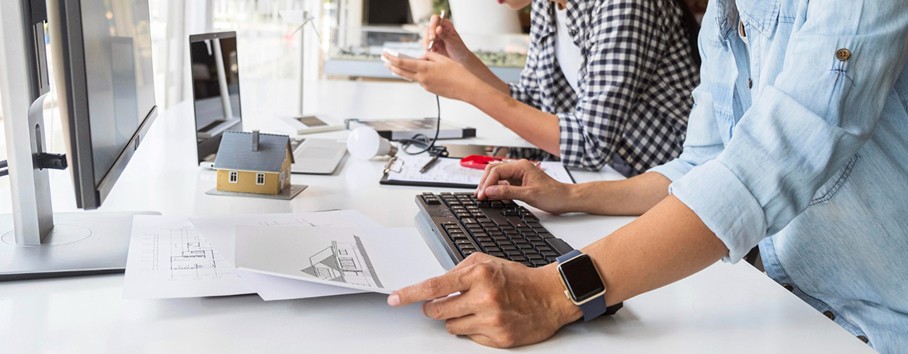
Retail environments across Australia are going through a big change as people’s purchasing behaviours are evolving.
Retail spaces must adapt in order to meet the following:
- Evolving shopping habits.
- Increasing use of tech in retail.
- Rising expectations of consumers
- Increasing focus on sustainability in retail design.
As leading architects in Dandenong, RBi Architects have over 30 years of experience delivering commercial and retail projects across Melbourne. We understand how strategic retail design has a direct effect on business success.
In this blog, we cover how consumer behaviour is influencing retail architecture and how experienced retail shopping centre architects are future-proofing assets.
How Is the Modern Australian Retail Consumer Changing?
Today’s shoppers are smart, selective, and experience-driven. Before going to a store, most Australians do their research online. They also expect a smooth transition between digital and in-person interactions. Because of this change in behaviour, stores now need to help people make decisions instead of just showing off products.
From a retail architecture perspective, this shift requires:
- Clear spatial layouts that guide customers naturally.
- Easy-to-understand store navigation that cuts down on confusion.
- Retail spaces designed to reduce friction during the customer journey.
- Spaces anticipating customer behaviour instead of just responding to it.
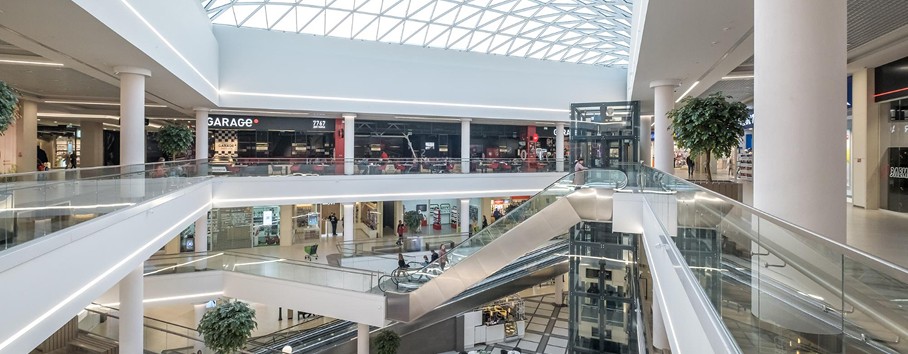
What Key Design Strategies Are Shaping Modern Retail Spaces in Australia?
1. Experience-Led Retail Design
Modern retail design extends beyond visual appeal. Experience-led retail is all about how people move through, interact with, and feel about a space.
Key architectural strategies include:
- Clear sightlines from entry points.
- Defined areas for transactions, interaction, and browsing.
- Layered lighting techniques to direct attention and movement.
- Material transitions to indicate usage changes.
Commercial architects must coordinate architecture, lighting design, and building services early on to guarantee a seamless and technically sound experience.
2. Omnichannel Integration and Retail Planning
Retail spaces must now accommodate omnichannel operations, including click-and-collect, returns processing, and in-store digital interaction.
Design implications include:
- Increased back-of-house requirements.
- Separate customer and logistics circulation paths.
- Flexible service infrastructure for future technology.
- Direct access to loading and waste areas.
Experts with commercial development planning in Melbourne understand how to integrate these requirements without compromising the customer experience or planning compliance.
Design Retail Spaces That Align With Modern Consumer Behaviour
3. Flexible and Adaptive Retail Environments
Retail leases are shorter, and tenant needs change rapidly. Adaptability is now a core design requirement.
Effective strategies include:
- Non-loadbearing internal partitions.
- Modular joinery and fit-out systems.
- Ceiling and services layouts that allow reconfiguration.
- Structural planning that anticipates future change.
In well-considered retail architecture, flexibility reduces long-term refurbishment costs and minimises downtime between tenancies.
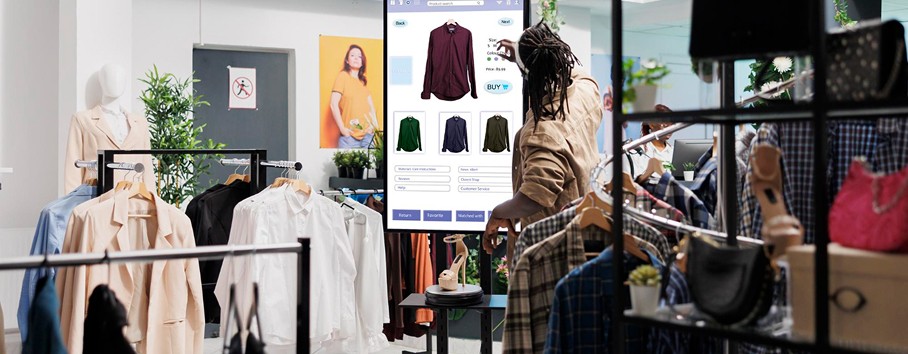
4. Human-Centred Retail Design
Retail environments must be comfortable, accessible, and intuitive. Human-centred design prioritises ease of movement, visual clarity, and physical comfort.
Key considerations include the following:
- Compliance with Australian accessibility standards.
- Clear wayfinding and visual contrast.
- Adequate circulation widths.
- Rest areas within larger retail footprints.
Retail spaces that reduce cognitive and physical effort consistently outperform those that do not.
5. Sustainability as a Commercial Imperative
Sustainability is no longer optional in Australian retail design. Consumers, tenants, and investors increasingly expect environmentally responsible outcomes.
Sustainable retail design strategies include the following:
- Energy-efficient lighting and HVAC zoning.
- Durable, low-maintenance materials.
- Passive design principles where applicable.
- Fit-outs designed for longevity and adaptability.
Embedding sustainability early in the retail architecture process improves operational efficiency and long-term asset value.
6. Retail Design Within the Local Context
Retail developments, particularly in growth corridors and suburban centres, increasingly function as community hubs rather than standalone destinations.
Effective design responses include:
- Active frontages and visual transparency.
- Weather-protected pedestrian access.
- Integration with public spaces.
- Strong connection between interior and exterior environments.
This localised approach is a key focus for retail shopping centre architects working in Melbourne’s expanding metropolitan areas.
Create Retail Environments That Drive Engagement And Performance
7. Technical Planning and Compliance Considerations
Retail design must balance creativity with regulatory requirements. Key technical considerations include the following:
- Planning scheme controls and land-use definitions.
- Fire separation and egress compliance.
- Acoustic separation in mixed-use developments.
- Services coordination within constrained tenancy envelopes.
Early architect-led planning reduces approval risk and construction delays, particularly in complex retail developments.
Conclusion
Retail design strategies must now respond directly to evolving consumer behaviour, combining experience, flexibility, and technical performance. Thoughtfully designed retail architecture supports stronger commercial outcomes while future-proofing retail assets.
RBi Architects have decades of experience delivering retail and commercial projects across Melbourne. As trusted commercial property designers, our team understands how to align design strategy with business objectives. Get in touch with us if you’re planning a new retail development or upgrading an existing asset.
FAQs
How do retailers influence consumer behaviour?
Retailers influence consumer behaviour through strategic store layout, lighting, product placement, and customer flow planning. Effective retail architecture shapes how shoppers move, what they notice first, and how long they stay. Elements such as clear sightlines, intuitive circulation, and engaging displays can significantly increase dwell time, product discovery, and purchase decisions.
Why is retail design strategy important?
Retail design strategy is important because it directly affects customer experience, sales performance, and long-term asset value. Well-planned retail environments integrate layout efficiency, brand identity, and operational needs. Experienced retail shopping centre architects ensure that retail spaces are flexible, visually engaging, and capable of adapting to changing consumer expectations and retail technologies.
How does retail architecture support modern shopping behaviour?
Modern shopping behaviour combines online research with physical store visits. Retail architecture supports this shift by integrating omnichannel features such as click-and-collect zones, flexible store layouts, and seamless navigation. Retail environments designed with these principles help retailers provide convenience while maintaining an engaging in-store experience.
What role do architects play in retail development?
Architects play a critical role in retail development by aligning design strategy with planning regulations, customer experience, and commercial objectives. Experienced professionals, including architects in Cremorne, help developers and retailers create functional, compliant, and future-ready retail environments that maximise foot traffic and long-term investment performance.